
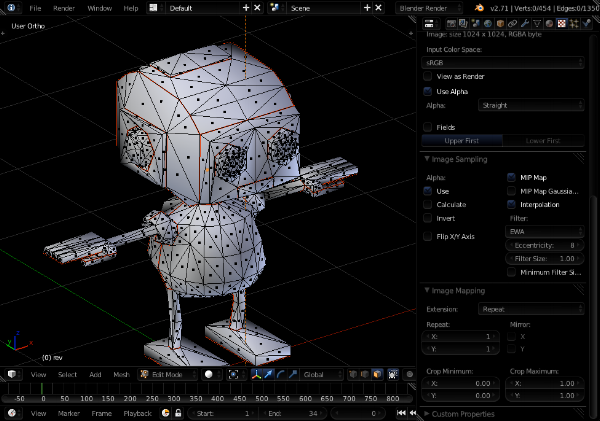
In this digital era, where visual communication is more important than ever, computer graphics play a pivotal role in creating stunning visuals, immersive virtual worlds, and powerful data representations.
Whether you’re a computer graphics enthusiast, a student, a professional, or simply curious about the subject, this blog aims to provide valuable insights, tutorials, and discussions on various aspects of computer graphics and visualization.
1. The Basics of Computer Graphics:
In this introductory post, we’ll delve into the fundamental concepts of computer graphics, exploring topics such as rasterization, rendering, geometric transformations, shading models, and more.
We’ll explain the fundamental principles behind creating realistic images and animations and discuss the basic building blocks that form the foundation of computer graphics.
2. Understanding 3D Modeling Techniques:
One of the core aspects of computer graphics is 3D modeling.
In this blog post, we’ll explore different techniques to create 3D models, ranging from polygonal modeling to sculpting, procedural modeling, and parametric modeling.
We’ll discuss popular software tools and provide tips and tricks for creating visually appealing and optimized 3D models.
3. Illuminating the World:
Lighting and Rendering:
Lighting and rendering are critical components of computer graphics that significantly impact the final visual quality.
This article explores various lighting models, including ambient, directional, point, and spotlights, and discusses techniques for simulating realistic global illumination.
Additionally, we’ll cover rendering algorithms and approaches, such as ray tracing, rasterization, and hybrid rendering, highlighting their strengths and applications.